Google is interfering in Romanian politics, censoring free speech and favoring pro-government narratives while suppressing critical media. The website Gândul is one example, having been heavily impacted by Google overnight
Overnight, the traffic of Gândul, a publication that until last year ranked among Romania’s top 10 news websites, often in leading positions, collapsed. From more than half a million daily unique visitors, Gândul now barely manages to surpass 100,000 uniques.
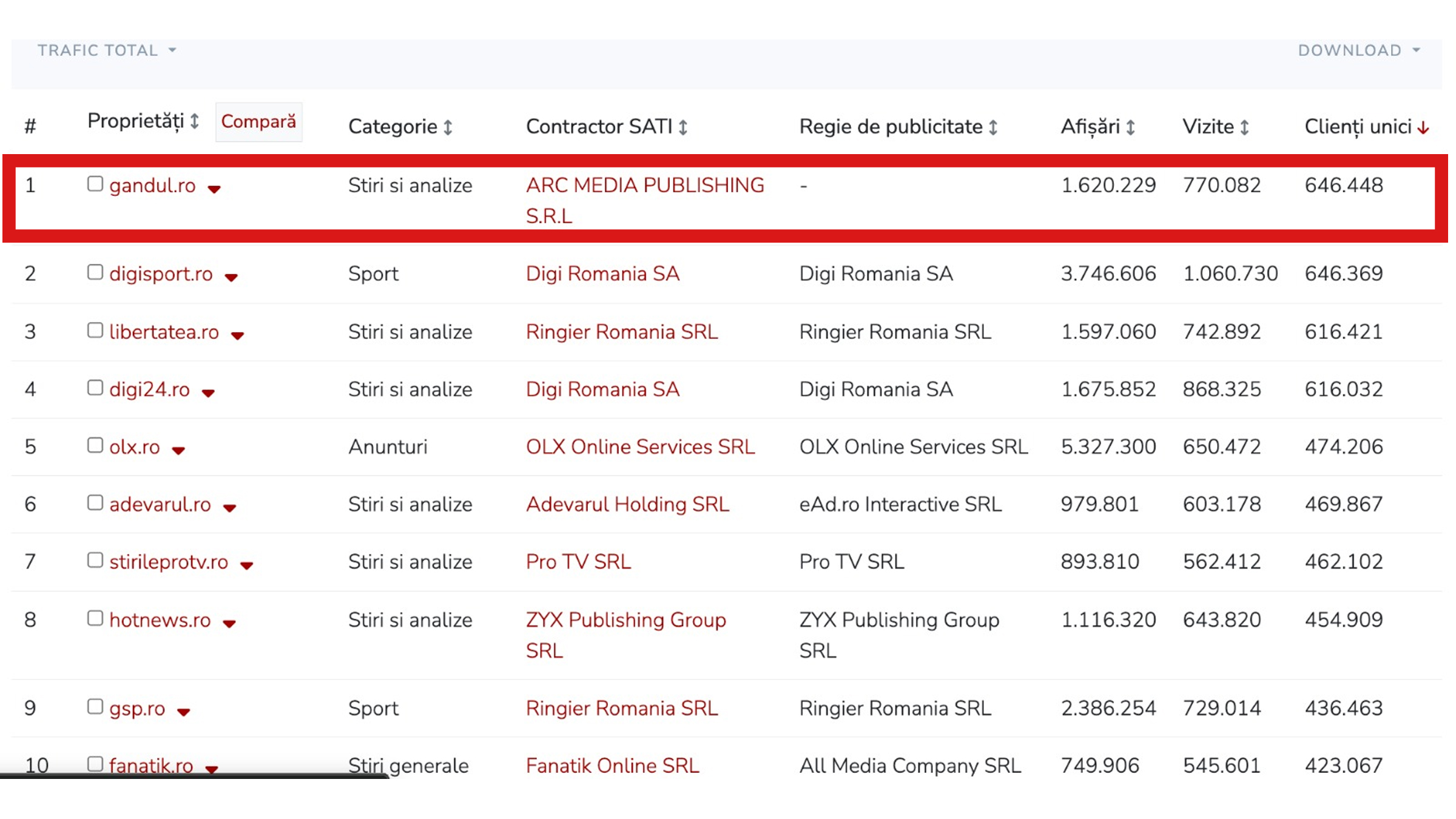
From the top positions in the rankings, the publication has fallen to places 20–30, depending on the interests of tech giants. When our Facebook page, with over 1 million followers, is not being arbitrarily suspended, our topics are being blocked by Google. Today, there is no longer any media outlet critical of those in power among the top 10 most-read news websites.
Gândul’s investigations into the public figures of the moment, favored by NGOs, fact-checkers, and digital influence networks, are completely ignored by the search engine. Bolojan and USR are taboo subjects for Google. Gândul’s critical perspective simply does not exist there. Only favorable or neutral articles from media outlets publicly known for being close to those in power are promoted.
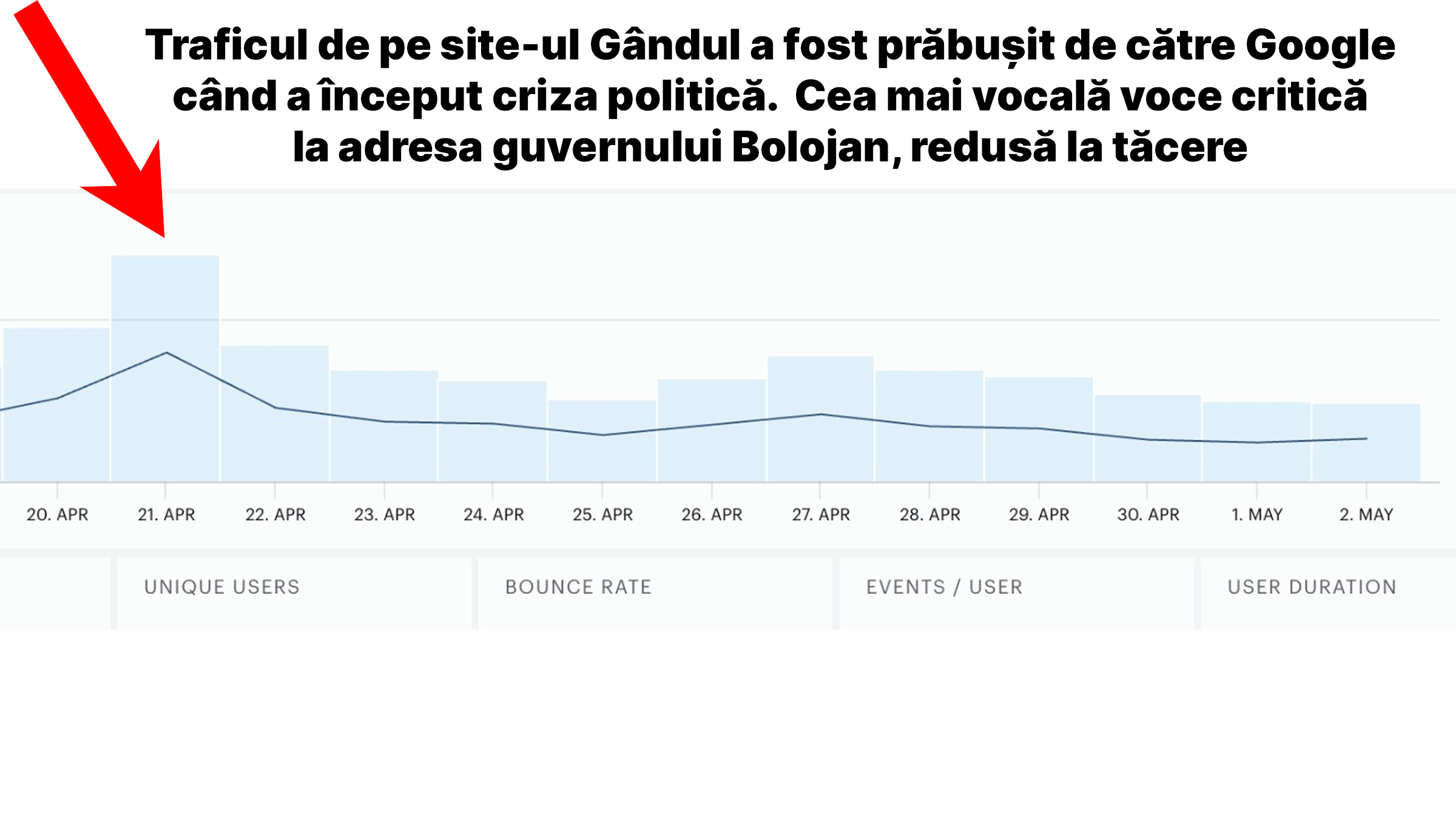
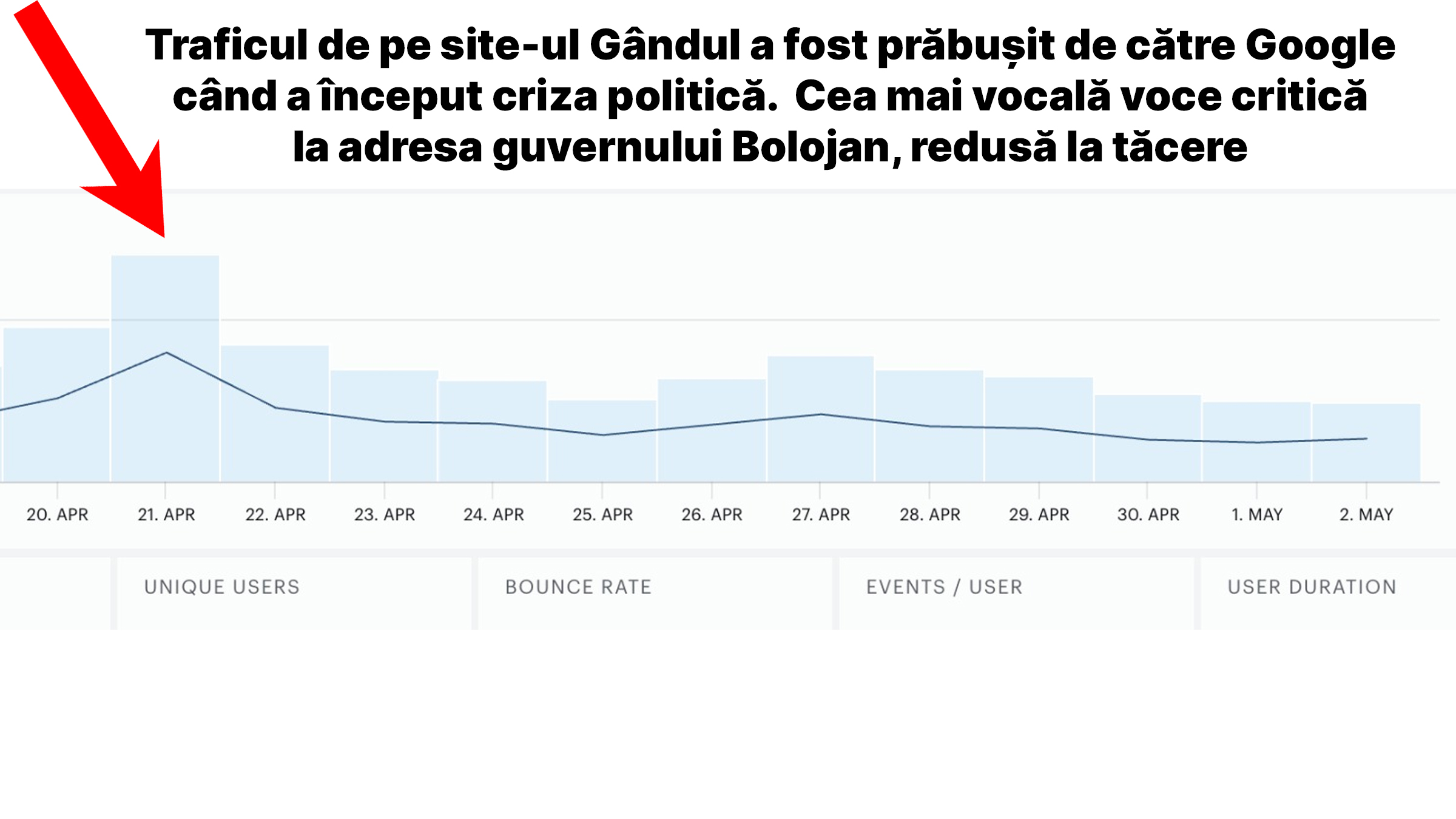
Traffic to the Gândul website collapsed after the political crisis began. The most vocal publication critical of the Bolojan government was effectively silenced.
Gândul’s website was hit by Google as soon as the political crisis started. On April 20, 2026, PSD announced it was withdrawing political support for Prime Minister Bolojan, triggering the crisis. April 21 was the last day Gândul recorded traffic close to 400,000 unique visitors — a normal level for our website.
The scheme is not complicated: Google decides — based on criteria that remain unclear to everyone — which news stories to rank higher on its News platforms. That is how some articles reach hundreds of thousands of views, while others receive none.
Ironically, in a country where 80% of the population, according to all polls, is dissatisfied with Romania’s political class and government, the most-read news articles are those favorable to political parties and the government, while critical coverage barely reaches a few tens of thousands of views, never through Google as a traffic source.
The situation intensified during the Bolojan government. Gândul analyzed its own major investigations targeting those in power in Romania, especially stories exposing controversies involving Prime Minister Ilie Bolojan, USR, or Oana Gheorghiu.
Although these stories went viral on other social networks, spread widely on WhatsApp, and were picked up in countless forms by television channels and other platforms, Google did not surface any of these investigations or exclusive reports in its feeds. Instead, it promoted favorable articles about these figures, as we will demonstrate below.
There is no longer a single publication critical of those in power among Romania’s top 10 news websites
Once Gândul was pushed out of the top 10 websites by audience size, no media outlet critical of the government or those in power remained in the rankings. Only online publications that repeat government narratives without questioning them are still there.
Political narratives in Romania — at least in terms of article visibility — are now largely controlled by two publications considered friendly to the government.
The most-read online news articles belong to Digi24.ro, a publication that, as is no secret to either the media industry or readers, is at the very least favorable toward those in power, or at least part of it.
Taking April alone as an example, the 6th most-read article on Digi24’s website was a promotional piece about a USR initiative. The article gathered more than 243,000 views and 227,000 unique users in total. Traffic sources are not public, but from any publisher’s experience, Google is undoubtedly the main source. The publication’s favorable political coverage helps shape the tone of political discourse across Romania’s online media landscape.

And the examples continue.
sursa: sati.brat.ro
Anything critical of Bolojan, USR, or the figures making up part of the ruling establishment is not picked up by Google. For example, critical Gândul articles about these same figures — backed by documents, investigations, testimonies, and evidence — were completely ignored by Google.
In a major investigation carried out with the help of a social media specialist, Gândul showed that Prime Minister Bolojan’s messages were being artificially amplified online to create the appearance of broad public support — support that, notably, was not reflected in street protests or public demonstrations.
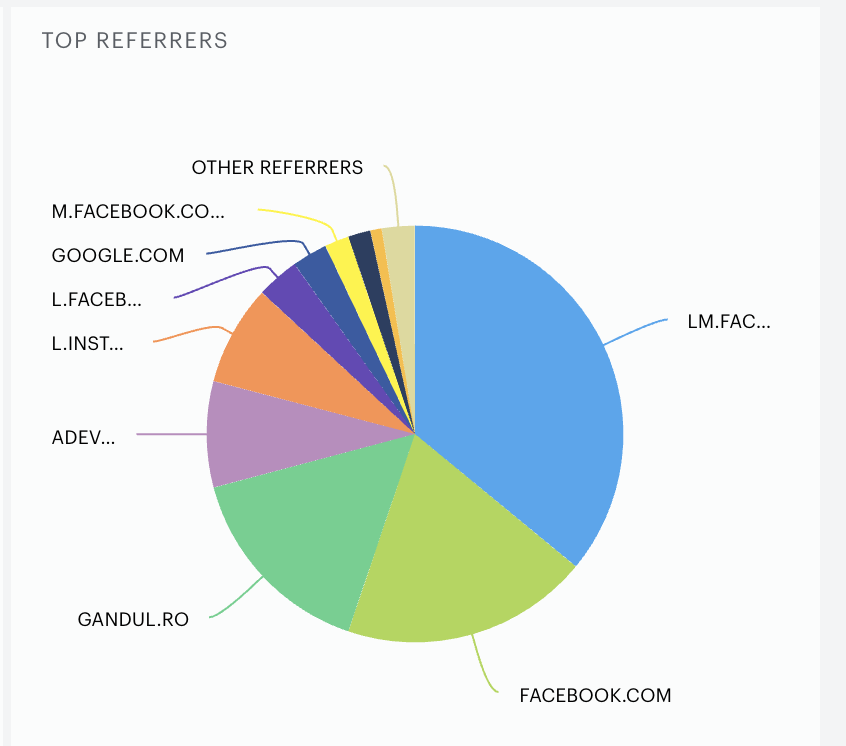
The report, widely discussed on television programs and heavily shared by users on Facebook and WhatsApp, gathered fewer than 15,000 views. As every publisher in Romania knows, this is the reality of the online media market: without Google, it is extremely difficult for an article to surpass 15,000 views. The report was completely rejected by the tech giant.
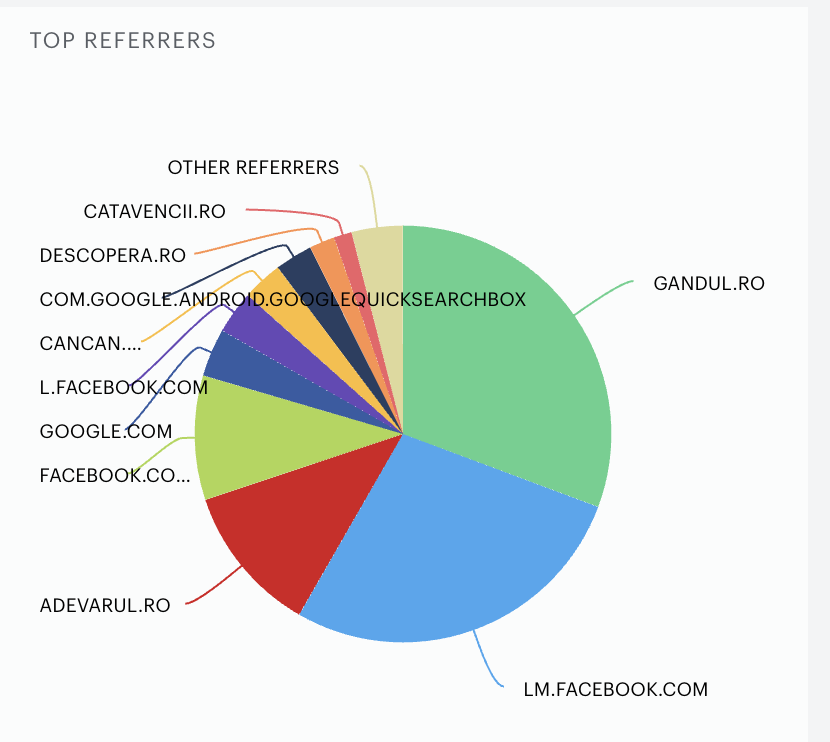
sursele de trafic pentru materialul: https://www.gandul.ro/actualitate/zeci-de-pagini-si-grupuri-de-sustinatori-dedicate-lui-bolojan-au-aparut-brusc-pe-retelele-sociale-sute-de-mii-de-like-uri-si-shareuri-par-sa-l-sustina-pe-bolojan-in-fapt-o-falsa-s-20873585
Gândul’s experiment: We wrote a favorable article!
Gândul also carried out an experiment. It published a “promotional” article about Oana Gheorghiu, deputy prime minister in the now-dismissed Bolojan government. The article generated almost no interest on the website, was not discussed on television programs, and did not trigger any follow-up reactions, as any strong journalistic piece normally should.
The surprise, however, was that it was very quickly picked up and promoted by Google. On the website, the article gathered 800 views. From Google: 20,000.
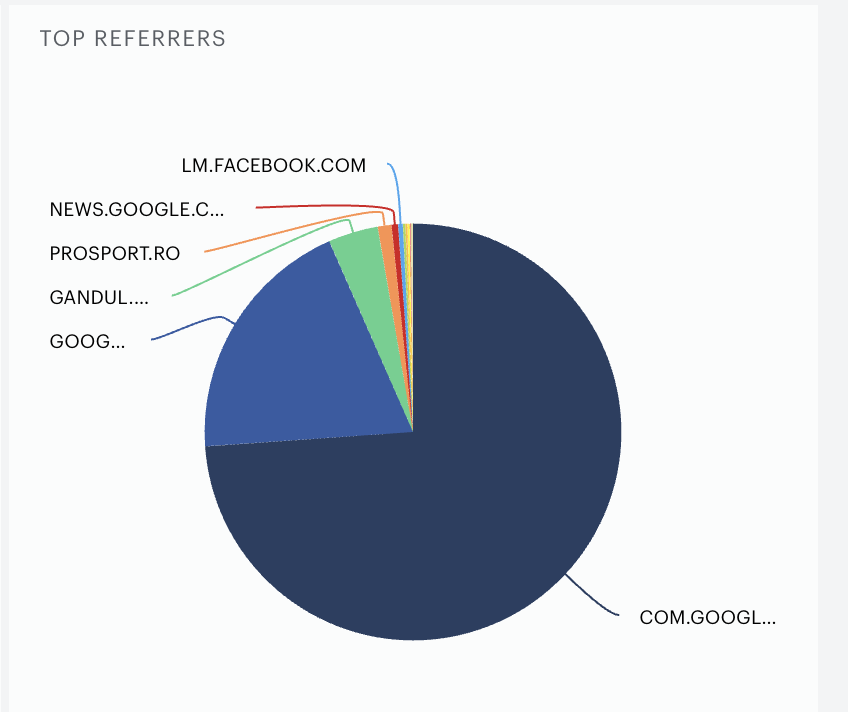
surse de trafic pentru: https://www.gandul.ro/actualitate/oana-gheorghiu-explica-demiterea-sefului-autoritatii-pentru-digitalizarea-romaniei-deficiente-manageriale-grave-care-pun-in-pericol-fonduri-europene-20881110And the list goes on. Below is a selection of critical Gândul reports published only in the past month that were effectively blocked by Google and relied mainly on direct website traffic and Facebook, where they generated major reactions. (The investigation continues after the following series of headlines.)
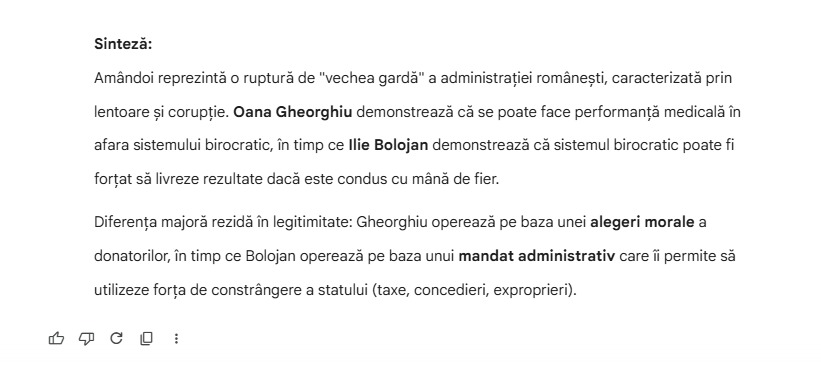
Google itself only seems to have positive views about Ilie Bolojan and Oana Gheorghiu.
Gândul asked Gemini, Google’s AI, what it thinks about Oana Gheorghiu and Ilie Bolojan. As if the investigations and evidence against them did not exist, Gemini delivered its verdict while ignoring any controversy surrounding them.
Translation:
Summary:
Both represent a break from the “old guard” of the Romanian administration, characterized by sluggishness and corruption. Oana Gheorghiu demonstrates that medical performance can be achieved outside the bureaucratic system, while Ilie Bolojan shows that the bureaucratic system can be forced to deliver results when led with an iron hand.
The major difference lies in legitimacy: Gheorghiu operates based on the moral choice of donors, while Bolojan operates based on an administrative mandate that allows him to use the coercive power of the state (taxes, layoffs, expropriations).
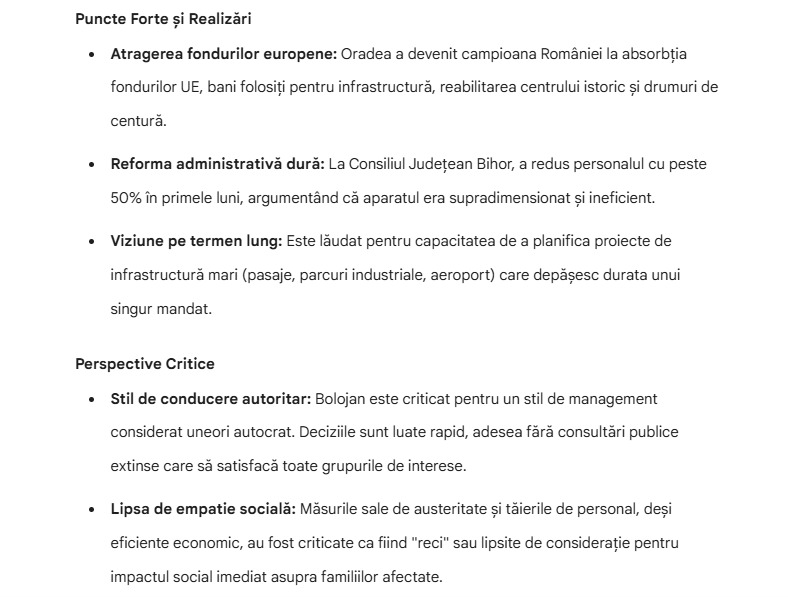
Google criticizes PM Ilie Bolojan by praising him.
Translation:
Strengths and Achievements
- Attracting European funds: Oradea became Romania’s leader in absorbing EU funds, money used for infrastructure, rehabilitation of the historic center, and ring roads.
- Harsh administrative reform: At the Bihor County Council, he reduced staff by more than 50% in the first months, arguing that the administration was oversized and inefficient.
- Long-term vision: He is praised for his ability to plan major infrastructure projects (overpasses, industrial parks, airport) that extend beyond the duration of a single mandate.
Critical Perspectives
- Authoritarian leadership style: Bolojan is criticized for a management style sometimes viewed as autocratic. Decisions are made quickly, often without broad public consultations that would satisfy all interest groups.
- Lack of social empathy: His austerity measures and staff cuts, although economically efficient, have been criticized as “cold” or lacking consideration for the immediate social impact on affected families.
Traffic to the website collapsed as the political battle intensified. Gândul’s visibility dropped dramatically
Traffic to the Gândul website was severely hit by Google especially after the Bolojan government began to weaken. The government’s most vocal critic was effectively silenced by Google, and the platform attempted to make our investigations irrelevant, despite the evidence we presented through documents, photographs, and testimonies.
Case study: Diana Buzoianu — traffic collapsed after Buzoianu accused Gândul of “Fake News.” Gândul disproved the minister’s claims, but traffic remained down
On May 2, 2026, Gândul published a news article concerning hiring practices at Apele Române, an institution under the authority of the Ministry of Environment, Waters and Forests.
Around 12:00 PM, Diana Buzoianu, the Minister of Environment, Waters and Forests directly accused Gândul of spreading fake news on Facebook. Immediately afterward, traffic to the Gândul website collapsed following Buzoianu’s claims and false fake news reports. Google instantly sided with a political party rather than a media outlet and ignored the documents supporting Gândul’s reporting. As a result, traffic remained severely reduced.
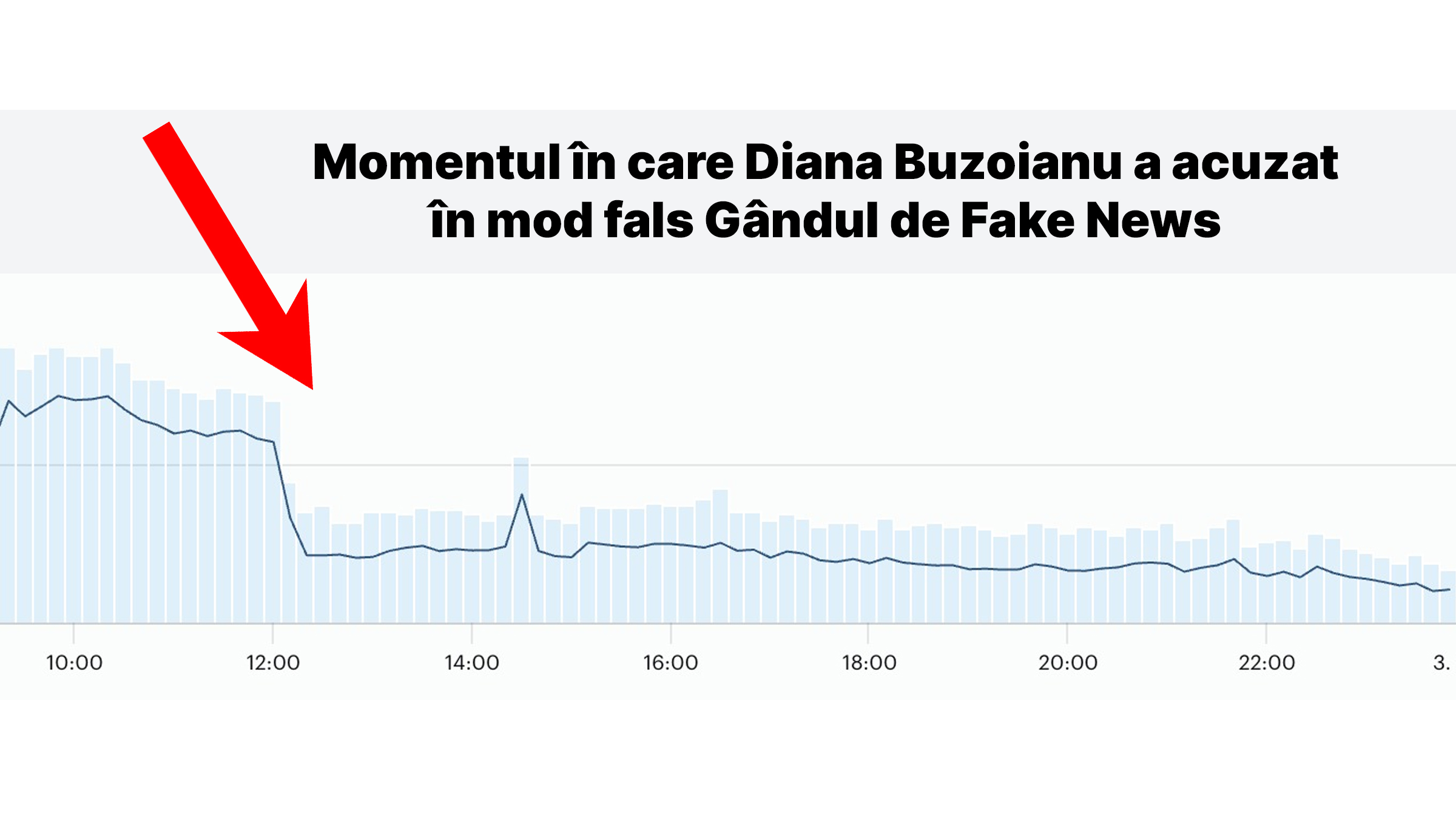

Following Gândul’s uncomfortable articles and investigations, the publication was pushed from the top of the rankings down to the 20–30 range, left at the mercy of major platforms.
Gândul’s investigations into figures protected by NGOs, fact-checkers, and digital influence networks are effectively buried by Google’s search engine. Criticism of Bolojan and USR is treated as a forbidden subject, while Google promotes mild, favorable, or neutral articles from publications close to those in power.
It is no secret within Romania’s online media industry that the main source of traffic is Google Discover, a platform used daily by between 6 and 8 million Romanian users depending on the day. Google holds a dominant market position and, through arbitrary control over access to the platform it operates, drastically limits the fundamental right to freedom of expression. By facilitating access for some publications while denying it to others, it also violates Romanian and European competition laws.
AUTORUL RECOMANDĂ:
- Dictatura Facebook amenință libertatea presei. În timp ce pagina Gândul cu 1 milion de urmăritori a fost suspendată fără nicio explicație, în Franța, sute de jurnaliști se revoltă împotriva Meta: „parazitism economic și practici neloiale”
- Asalt asupra publicației independente Gândul, cel mai puternic ziar de opoziție din România. De mai bine de două luni, Facebook a închis pagina ziarului cu 1 milion de urmăritori și refuză să o redeschidă. Milioane de vizualizări au dispărut peste noapte